There are lots of genuine reasons to give teens a break. In the grand scheme of things, teenagers are often tarred with one singular brush and receive an unfair bad reputation as a result. You might be a mature adult today, but there is no denying that, at some point in your life, you were a fully fledged member of the teenage population yourself! They might be loud, they might be argumentative, and they might seem impossible to understand once you cross the bridge of youth yourself, but teenagers deserve far more respect and empathy than many people afford them. Here are just a few of the biggest reasons why we all need to give teens a break.
7 Science-Backed Reasons to Give Teens a Break
1. They’re Only Animals
 Human teenagers aren’t unique in their rebellious phase; they are simply part of a larger animal kingdom developmental stage present across many different species. Studies in behavioral biology from organizations like the National Institute of Mental Health show that even animals as small as mice experience adolescent periods where their behavior alters noticeably compared to adults. When your teenager is acting up, remember that their biology is driving these changes, which is closely linked to how their brains are transforming during this critical stage of growth. It is one of the most compelling reasons to give teens a break.
2. Peer Pressure
 Peer pressure is an intense daily challenge for teenagers, often pushing individuals into acting in ways that do not align with their personal values. When a teen becomes withdrawn or acts out unexpectedly, consider the immense social influence they face from their peers before reacting with frustration.
Common social pressures teens navigate include:
- Fitting in with shifting friend groups and social circles
- Managing online presence and social media expectations
- Balancing personal identity with group conformity
3. Showing off is Evolutionary
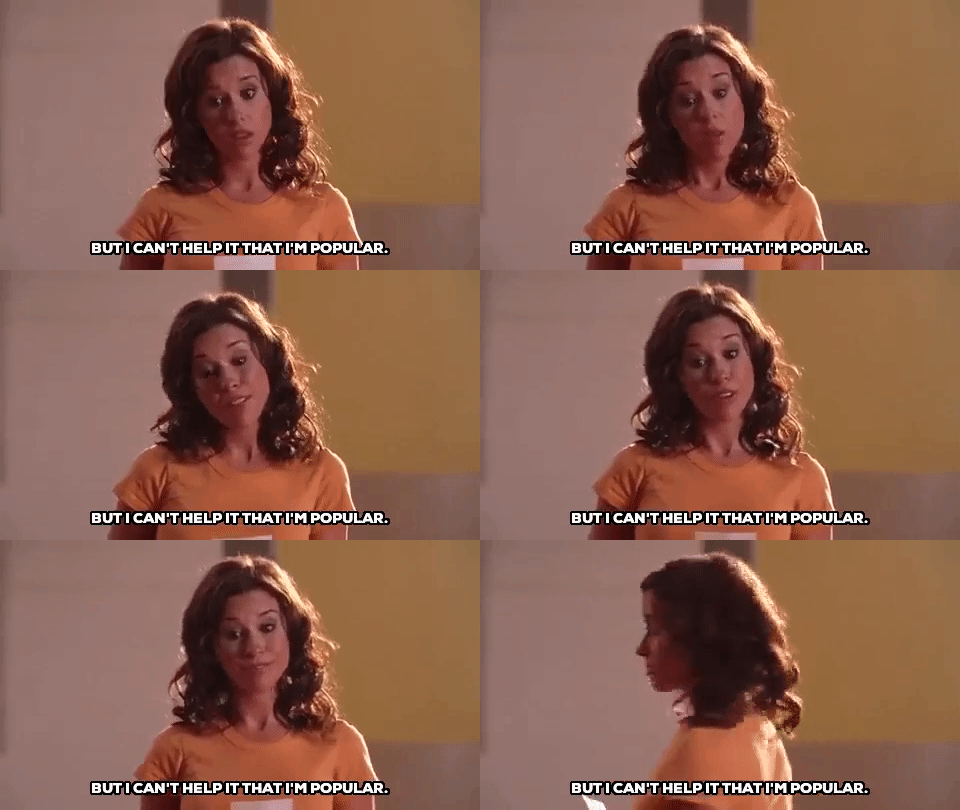 We all know a cocksure teenager who talks a big game, but showing off is actually a crucial evolutionary mechanism. As young humans mature, seeking social status and visibility helps establish independence, much like dealing with peer pressure challenges in social environments. This drive to be the center of attention is a natural stepping stone toward self-reliance.
4. Time of Contradiction
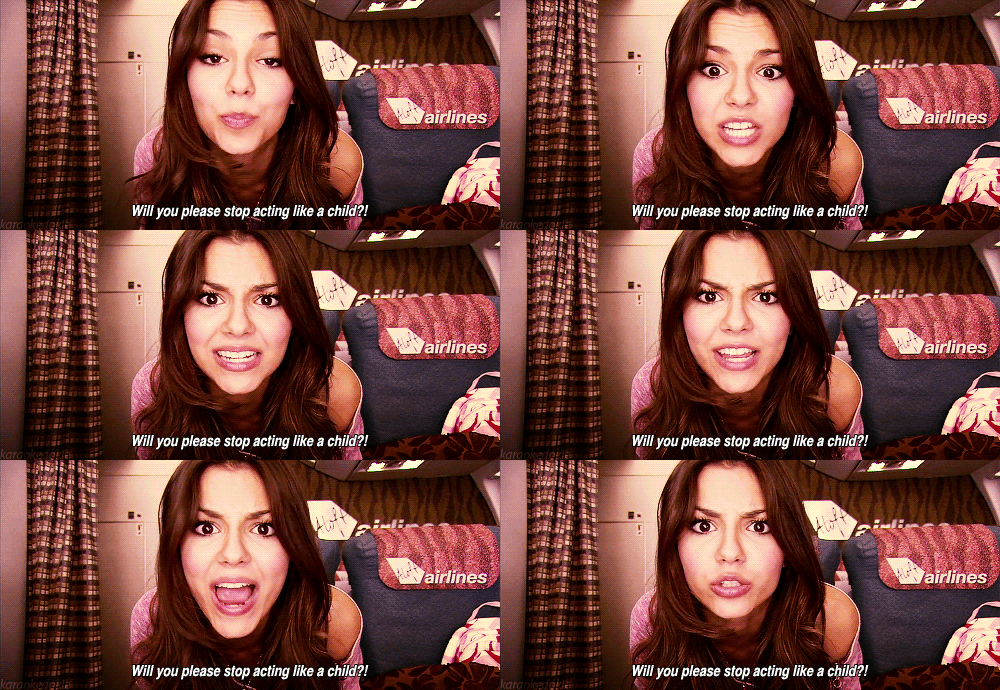 The teenage years are marked by deep contradiction. Adolescents often feel like fully fledged adults inside, yet they are rarely granted adult freedoms or privileges. Being treated like a child while expecting adult responsibility creates understandable tension and frustration.
5. Transforming Brains
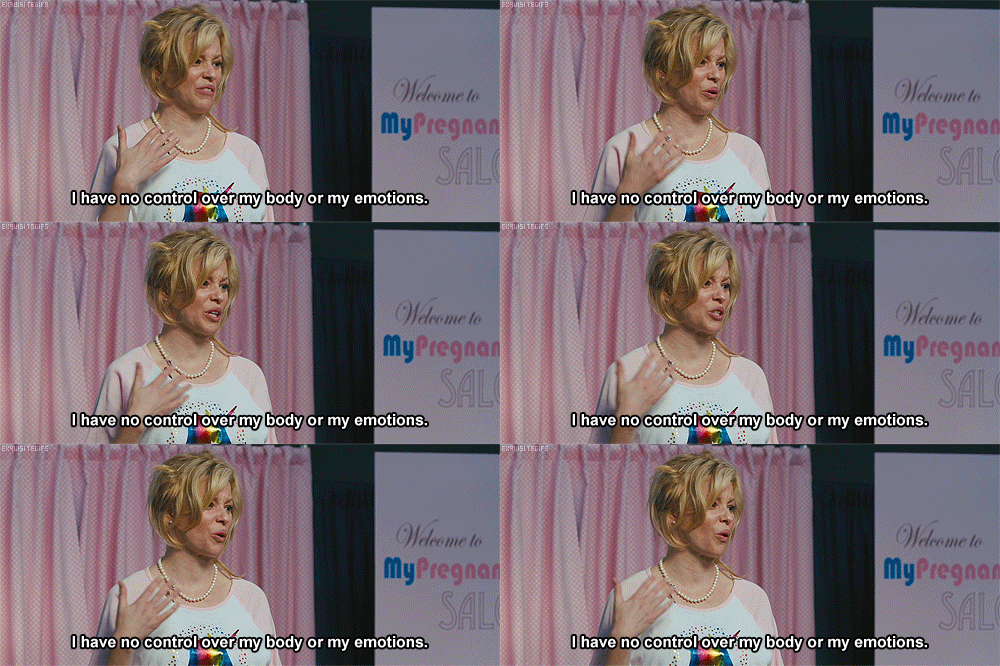 Teenagers deserve a break because their brains are undergoing a massive structural reorganization. According to medical insights from Harvard Health, prefrontal cortex remodeling alongside hormonal shifts directly impacts mood and decision-making. These biological surges naturally cause erratic behavior until brain maturation reaches equilibrium in their mid-twenties.
6. It Could Be Worse!
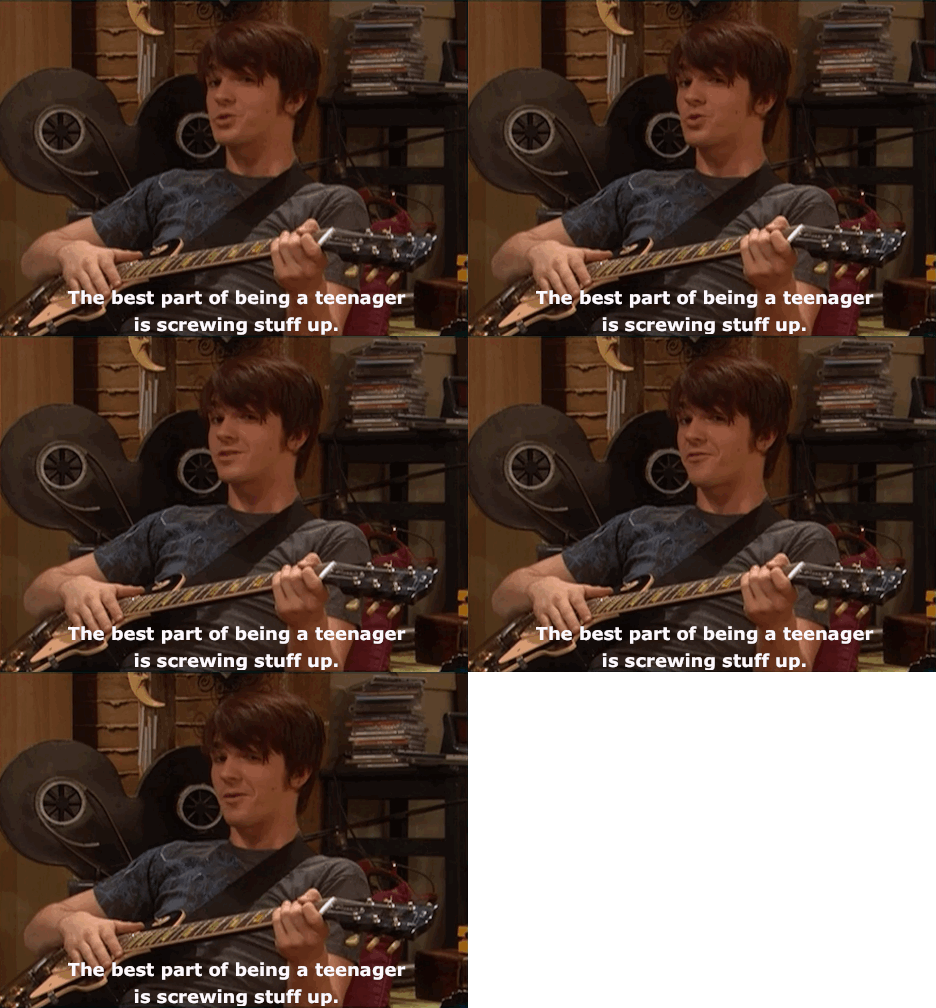 If you think modern teenagers are difficult, history proves it could be much worse! Historical records preserved by resources like Encyclopedia Britannica show that youth in Ancient Greece were famously rebellious, frequently flouting laws and even attempting to establish their own break-away societies. Teen rebellion is far from a new invention.
7. You Could Still Be an Adolescent Too!
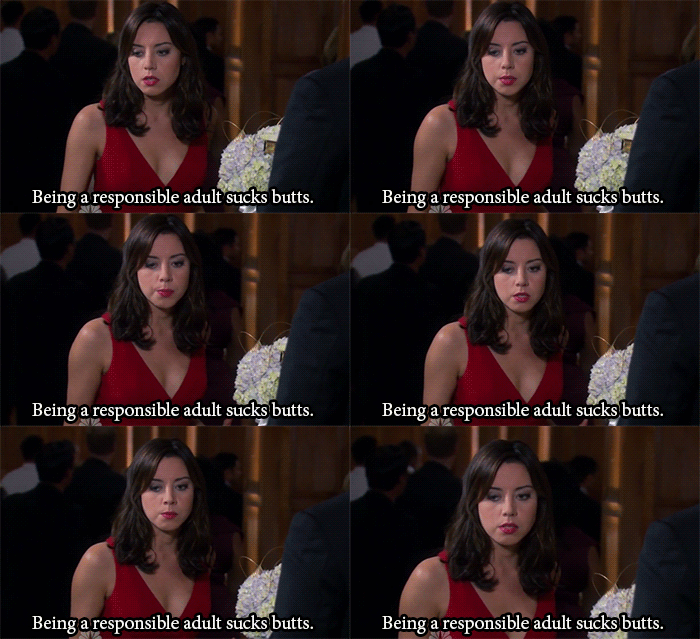 Age is often just a number. Sociological definitions often mark the end of adolescence as the point when a person attains a stable, independent role in society. Given how many adults are still figuring things out, many of us retain adolescent traits well into adulthood, making it even easier to empathize and give teens a break as they navigate their own journey.
Related articles
Popular searches
why am i failing at life is it normal to not want children reasons why long term relationships end ask for money instead of gifts wedding meeting someone organically going to a wedding single looking for.love in all the wrong places the value of friendships drinking out of plastic bottles train dpz
Browse categories
Cooking Diy Gardening Beauty Love Fitness Food Apps Teen Perfumes Movies Music Paranormal Health Weightloss Twilight Shoes Parenting Makeup Skincare Money Inspiration Wedding Celebs Streetstyle Nails Running Lifestyle Fashion Travel Diet Hair Books Jewelry Funny Bags Mindfulness Gifts Desserts Interior Sleep Accessories Gadgets Baking Swimwear Bodyart
Likes, comments and replies are available on the full version.
View full article & comments →